Run Posthive on your own infrastructure.
Posthive is open source under AGPL-3.0. Self-host it on Railway, Fly.io, Render, or your own VPS - full control, no vendor lock-in, no per-seat pricing.
The grind of cross-posting, gone.
Your data, your server
All OAuth credentials are AES-256-GCM encrypted at rest. In self-hosted mode, they never leave your infrastructure.
No billing required
Set ENABLE_BILLING=false and every feature is unlocked for all users - no plan limits, no trial, no Dodo account needed.
Modify it freely
Add platforms, change limits, build internal tooling on top. It's your copy. AGPL-3.0 just asks you to share modifications if you run it as a public service.
The feature, in the app.
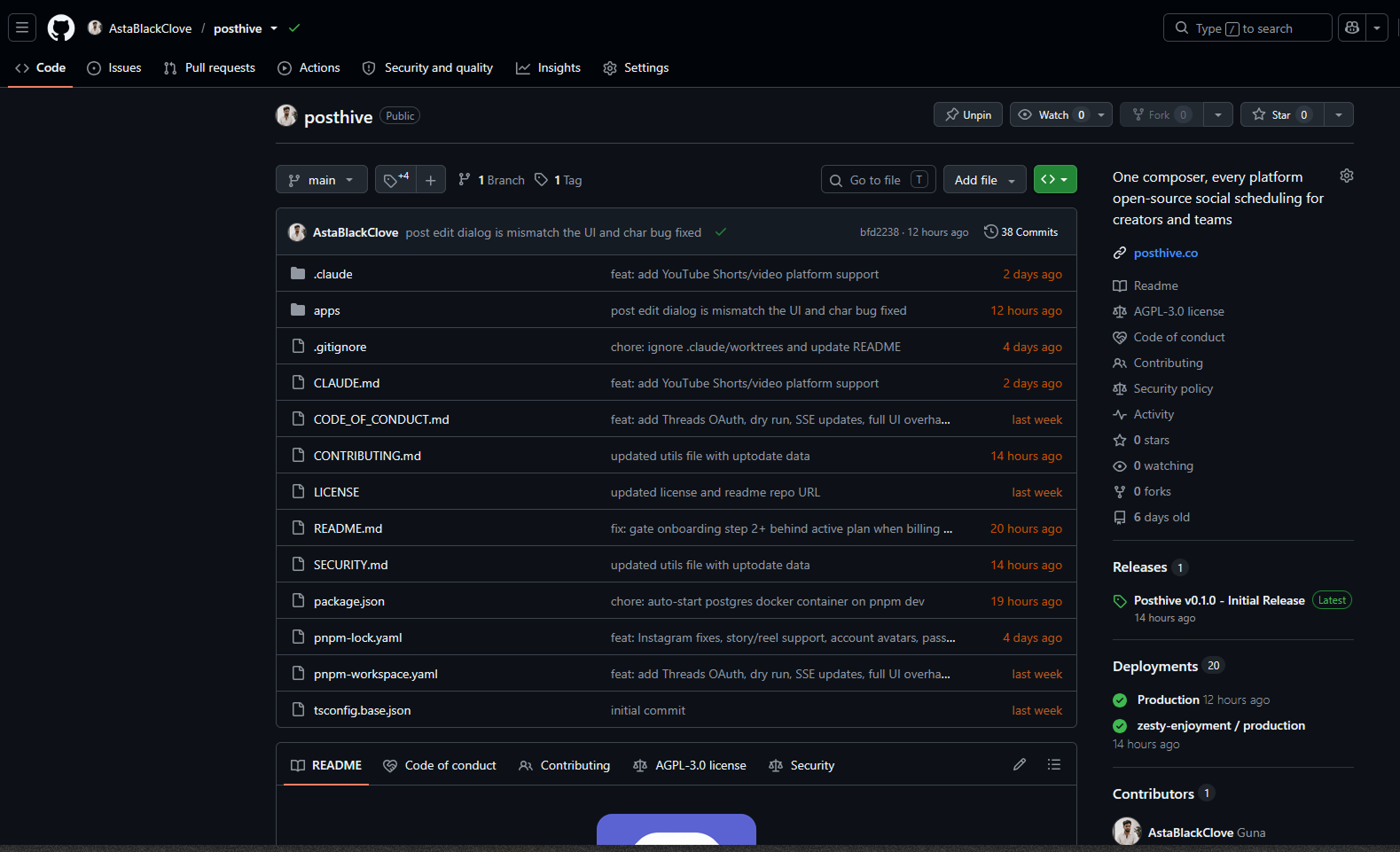
Fig. 01 — Posthive self-hosting architecture
Three steps.
No manuals.
- 01
Clone and configure
Clone the repo, copy .env.example to .env, fill in your secrets - Redis URL, encryption key, JWT secrets, OAuth credentials for the platforms you want.
- 02
Run the database migration
Run pnpm db:migrate inside apps/api. Posthive supports SQLite for local dev and Postgres for production.
- 03
Deploy anywhere
pnpm dev spins up both the API and the web app. For production, deploy to Railway (API) + Vercel (frontend) in under 10 minutes.
Built for people shipping in public.
- ◆Developers who want full control over their scheduling stack
- ◆Teams running internal social media tools without SaaS fees
- ◆Privacy-conscious users who don't want credentials on third-party servers
- ◆Engineers building on top of Posthive for custom workflows
“I was copy-pasting the same post into five different apps every day. Every tool I tried was too expensive, too bloated, or didn't support the platforms I actually used. So I built Posthive.”

Frequently asked questions
What does self-hostable mean?+
Self-hostable means you can run the entire Posthive application on your own server or cloud account. Your data including encrypted OAuth credentials stays on your infrastructure.
What infrastructure do I need to self-host Posthive?+
You need a Node.js server (or a platform like Railway or Fly.io), a Postgres or SQLite database, and a Redis instance (Upstash works well on a free tier).
Is self-hosted Posthive free?+
Yes. The code is free under AGPL-3.0. You only pay for your hosting costs (which can be near-zero on hobby plans). Set ENABLE_BILLING=false to unlock all features.
Can I modify Posthive and run it privately?+
Yes, with one caveat: AGPL-3.0 requires you to share your modifications if you run a modified version as a public service. For private internal use, you can modify it freely.
Self-hostable is one of eight features working together.
Start scheduling for free.
14-day free trial. No credit card required. Connect your first account in under a minute and schedule your first post today.